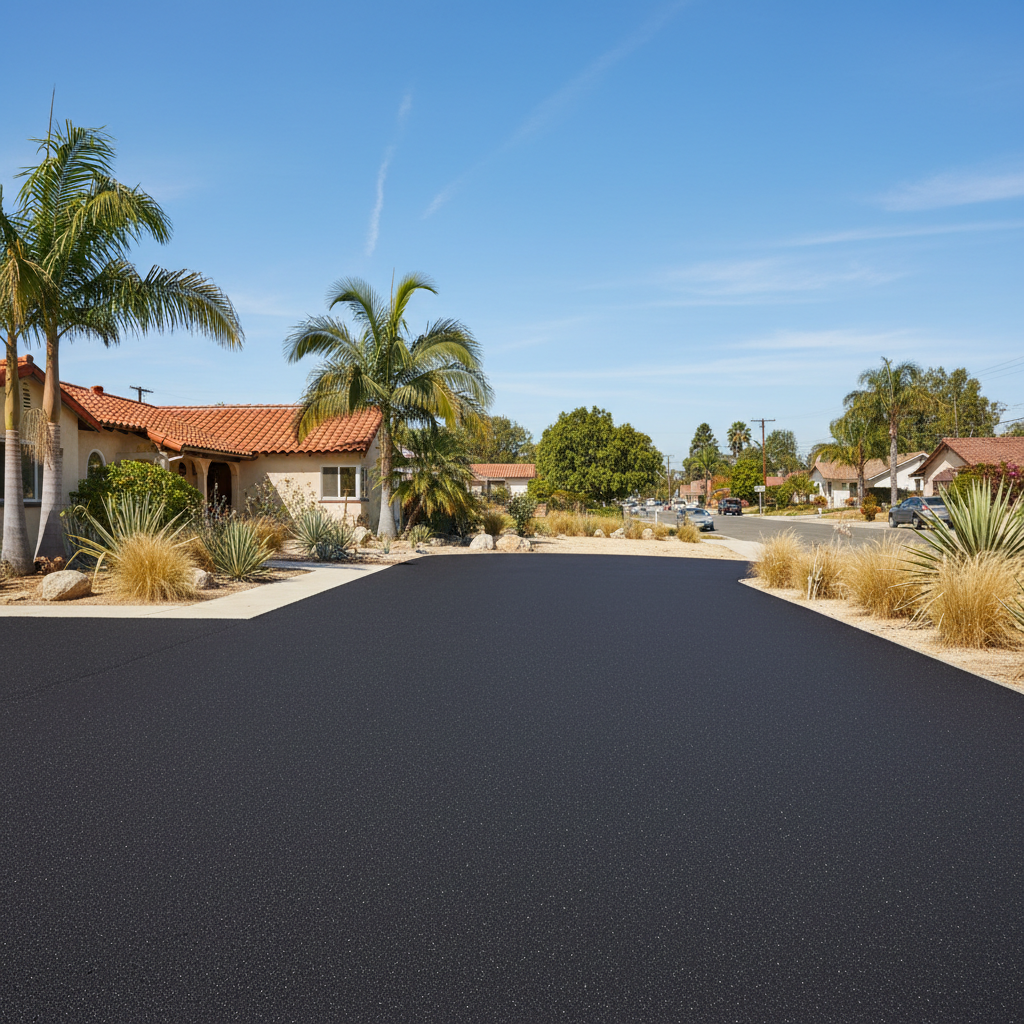
Alright, let's talk about your asphalt. Whether it's your driveway, that big parking lot, or even a private road, you shelled out good money for that pavement. You certainly don't want it cracking up and falling apart after just a few years, do you? Especially not with our Van Nuys sun beating down on it most of the year.
I've been working with asphalt here for a long time, and I've seen what happens when folks ignore the basics. It's not rocket science, no, but a little regular attention goes a long way. This isn't about patching potholes, by the way; that's a whole other can of worms. This is about keeping those potholes from even showing up in the first place.
Your Asphalt's Lifespan: It's More Than Just Luck
Want your asphalt to last? You've got to treat it right. Think of it like your car – regular oil changes, tire rotations, that sort of thing. For asphalt, it's all about protecting it from the elements and heavy use.
- Sealcoating is king here in Van Nuys. Our intense UV rays are brutal on asphalt. They dry out the binders, making the surface brittle and prone to cracking. A good sealcoat every 2-3 years, depending on how much traffic it sees, acts like sunscreen for your pavement. It blocks those UV rays, keeps water from seeping in, and brings back that rich black color. Honestly, it's probably the single most important thing you can do.
- Drainage, drainage, drainage. Water is asphalt's enemy number one. If you've got standing water on your pavement after a rain, well, you've got a problem. That water will eventually find its way into the sub-base, weakening the whole structure. Make sure your gutters are clear, and if you see puddles forming, you might need to look at grading or other drainage solutions. We get those heavy, quick downpours sometimes, especially after a long dry spell, and that water needs somewhere to go.
- Watch the weight. Heavy vehicles, especially those parked in the same spot day after day, put a lot of stress on asphalt. If you've got an RV, a commercial truck, or even just a particularly heavy SUV, try to vary where you park it. If it's a commercial lot, make sure your heavy delivery trucks aren't always using the exact same path.
- Keep it clean. Oil, gas, and other chemicals can soften and degrade asphalt. If you have a spill, clean it up quickly. Don't let leaves and debris sit on the surface for extended periods either; they can trap moisture.
What Regular Maintenance Actually Looks Like
So, what should you be doing on a regular basis? It's pretty straightforward:
Daily/Weekly:
- Sweep or blow off debris. Keep leaves, dirt, and trash off the surface. This prevents organic matter from breaking down and staining, and keeps water from getting trapped.
- Check for spills. If you see oil, gas, or antifreeze, clean it up immediately with an absorbent material and a mild detergent. Don't let it sit.
Monthly/Quarterly:
- Inspect for cracks. Walk your pavement. Look for any new cracks, no matter how small. Catching them early is key.
- Check drainage. After a rain, or even just running a hose, see if water is pooling anywhere.
- Look for oil spots. Even small drips from cars can add up.
Annually:
- Pressure wash (carefully). A light pressure wash can remove grime and dirt, but don't go too high with the pressure or hold it too close, or you could damage the surface.
- Assess for sealcoating. Is it starting to look faded? Are there more hairline cracks showing through? It might be time for another coat.
Warning Signs You Can't Ignore
Your asphalt will tell you when it's in trouble; you just have to know what to look for. Don't wait until these turn into major headaches:
- Hairline cracks turning into alligator cracks. Those small, spiderweb-like cracks are called 'alligator cracking' because they look like alligator skin. This is a big red flag. It means the sub-base is failing, and water is getting underneath.
- Potholes, obviously. A pothole means the surface has failed completely in that spot, usually due to water infiltration and traffic.
- Fading and dullness. If your asphalt looks gray instead of black, it's a sign that the binders are oxidizing from sun exposure. This means it's losing its flexibility and is more prone to cracking.
- Depressions or uneven spots. If you see areas where the pavement is sinking, or if there are bumps, it indicates a problem with the underlying base. This is serious.
- Loose aggregate. If you're seeing small stones coming loose from the surface, especially after a sealcoat should still be holding strong, it could mean the asphalt is degrading.
When to Call a Professional
Look, a lot of this maintenance you can handle yourself. But there are times when you really need to bring in the pros. Don't try to be a hero with these issues:
- Any significant cracking. If you've got alligator cracking, or cracks wider than about a quarter-inch, you need professional repair. Just filling them with a tube of caulk from the hardware store won't cut it.
- Potholes that are deep or widespread. A small, shallow pothole might be a DIY fix for some, but anything substantial needs proper patching to ensure it lasts.
- Drainage issues. If water is consistently pooling and you can't figure out why, or if it's causing damage, you need an expert to assess the grading and potentially install new drainage.
- Pavement depressions or heaving. These are signs of serious sub-base problems that require excavation and rebuilding.
- When it's time for sealcoating. While some folks try to DIY sealcoating, getting a professional, even application that lasts is tough. We've got the right equipment and materials to do it right.
Here at All Things Asphalt Company, we're always happy to come out, take a look, and give you an honest assessment. We're right here in Van Nuys, so we know these conditions inside and out. Don't let a small issue turn into a huge, expensive repair. A little proactive care now saves you a lot of headache and money down the road.