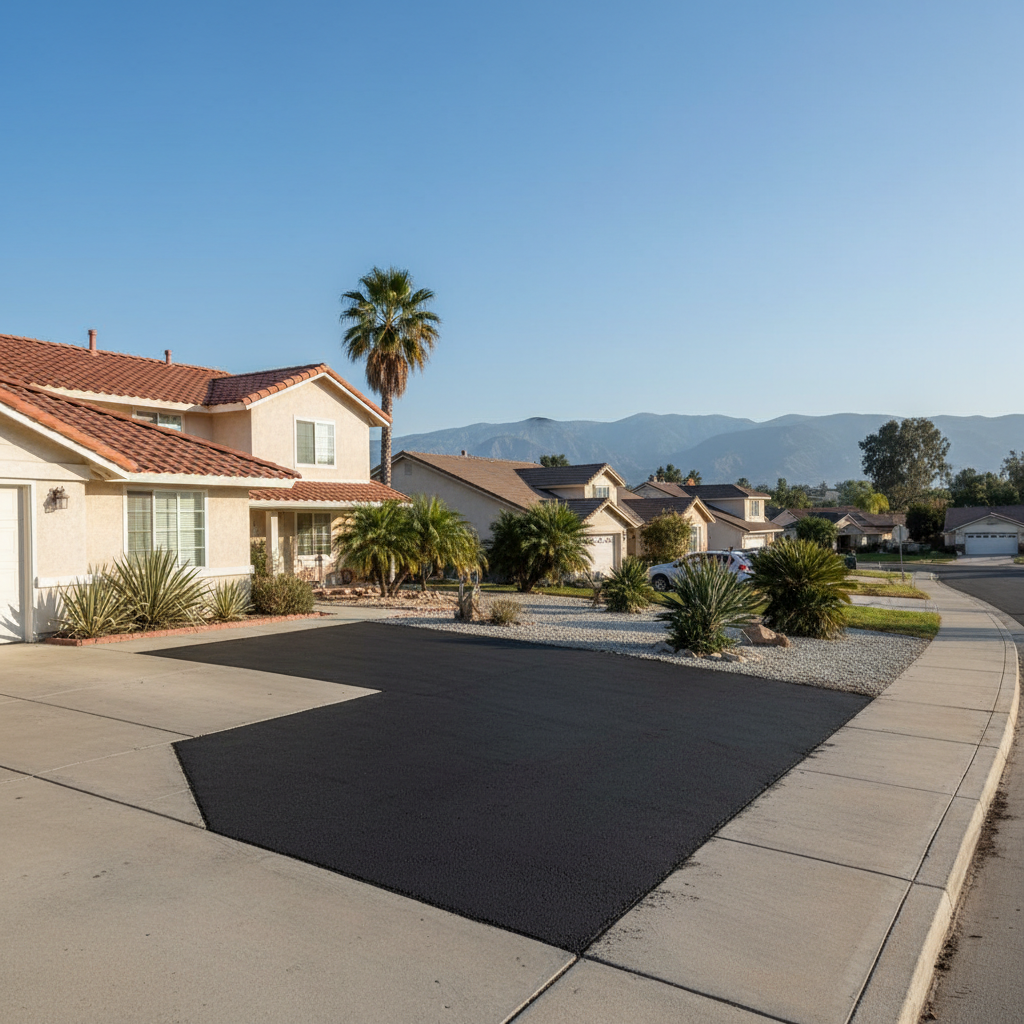
Got a pothole? Maybe it's just a little one in your driveway, or maybe it's a bigger, nastier beast in your business's parking lot. You know you need to get it fixed, and fast, before it grows, causes damage, or someone takes a tumble. But here's the kicker: not all asphalt patching is created equal, especially when you're dealing with it right here in Van Nuys.
Why Van Nuys Asphalt Needs Special Attention
Look, I've been doing this for a good long while, and I've pretty much seen it all. From those older residential streets near the Van Nuys Airport to the busy commercial zones along Sepulveda, our asphalt really takes a beating. We get those wild temperature swings, don't we? Hot as blazes in the summer, then those surprisingly chilly nights. That constant expansion and contraction? It's just murder on pavement, plain and simple. Then, throw in the occasional heavy rains that can really undermine things, especially if you're in an area with a lot of clay soil – and we definitely have pockets of that around here. Water sneaks into those cracks, freezes (it's rare, but it happens), then thaws, and boom – your small crack suddenly becomes a full-blown crater.
A lot of folks figure patching is just a matter of dumping some hot mix into a hole and tamping it down. And sure, that might work for a minute. But if you want a patch that actually sticks around, one that won't just pop out or crumble next year, you really need to understand what caused the damage in the first place. Then, you've got to know how to properly prep the area for our specific climate.
The Right Way to Patch: It's More Than Just Filling a Hole
When we talk about asphalt patching, we're actually talking about a few different methods, and picking the right one is absolutely crucial. There's your basic throw-and-roll, which is what I just described – quick, cheap, and usually just a temporary fix. Then you've got semi-permanent patches, and finally, permanent repairs. For most of what we do, especially for driveways and parking lots that see regular traffic, you're going to want something that really holds up.
Here's what I look for, and what you should expect, from a good patching job:
- Clean Cuts: You simply can't patch over loose, crumbling asphalt. We cut out the damaged area cleanly, usually in a square or rectangle shape, to get rid of all the weak stuff. This gives us a solid, stable edge to work with.
- Proper Base Prep: This is huge, I mean really huge. If the base underneath your asphalt is messed up – maybe it's wet or unstable – your patch isn't going to last. We make sure the sub-base is dry, compacted, and stable before we even think about adding new asphalt. Sometimes that means digging deeper and adding new aggregate, you know?
- Tack Coat Application: Think of this as the glue. A good tack coat, sprayed on the edges and bottom of the cut-out area, helps the new asphalt bond tightly to the old. Skip this step, and your patch is basically just sitting there, waiting to pop out.
- Hot Mix Asphalt: For real durability, hot mix is almost always the best way to go. It compacts better and forms a stronger, more seamless bond than cold patch. We lay it down in lifts if it's a deep repair, making sure each layer gets properly compacted.
- Compaction: You need to get that asphalt dense. We use vibratory rollers or plate compactors, depending on the size of the patch, to make sure it's packed down super tight. This stops future water from getting in and ensures the patch can handle all that traffic.
I've seen so many bad patching jobs around here, especially in those older, tree-lined streets near Victory Blvd where roots can really mess with pavement. People try to save a buck, and they just end up paying more down the line when the patch fails and they have to do it all over again. What a waste!
Why Local Expertise Matters for Your Van Nuys Property
When you call someone like All Things Asphalt Company, you're not just getting a crew with equipment. You're getting guys who've actually worked on properties just like yours, who understand the specific challenges of our local climate and soil conditions. We know which areas tend to have more drainage issues, which types of cracking are common in certain neighborhoods, and exactly how to make a repair that stands up to our hot summers and the occasional heavy downpour.
We're not just fixing a hole; we're providing a solution that considers the whole picture. A long-lasting patch isn't just about the material; it's about the technique, the preparation, and that deep understanding of local factors that generic, out-of-towners just won't have. Don't let a small pothole turn into a big headache. Get it fixed right the first time.