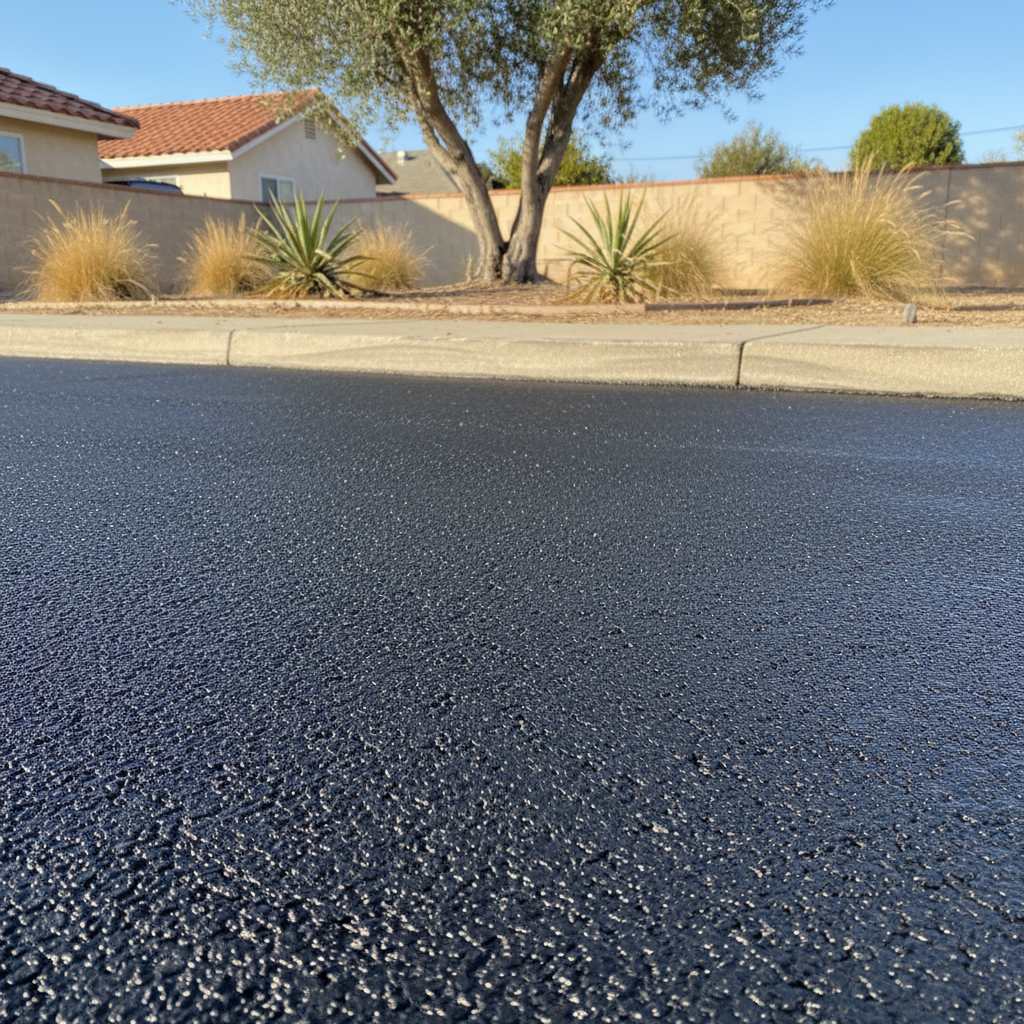
Alright, let's talk slurry coating. You've got an asphalt driveway, maybe it's looking a little tired, faded, got some tiny cracks, and you're wondering if a slurry coat is the answer. It can be, but you really need to know what you're getting into. This isn't just slapping on some paint; it's a specific process, and doing it right makes all the difference.
What's Slurry Coating, Anyway?
So, what exactly is slurry coating? Think of it as a protective and rejuvenating layer for your asphalt. It's a mix of asphalt emulsion, fine aggregates (like sand), water, and some additives. It's thicker than a regular sealcoat, which is mostly just asphalt emulsion. That extra aggregate gives it more body, fills in minor surface imperfections, and provides a new wearing surface. It's great for extending the life of your pavement and making it look fresh again.
You'll often see this on parking lots, but it's totally applicable for residential driveways too. It helps protect against UV rays, water penetration, and general wear and tear – all things that our intense Van Nuys sun and occasional heavy rains can really dish out. It's not a miracle cure for major damage, though. If you've got big potholes or structural cracks, you need to fix those first. Slurry coating is for preventative maintenance and surface renewal, plain and simple.
Before You Start: Planning & Prep
This is where most DIY projects go sideways. Prep work is critical. You can't just pour this stuff over a dirty driveway and expect it to stick. Here's what you'll need to do:
- Clean, Clean, Clean: Sweep off all loose debris. Use a pressure washer to get rid of dirt, oil stains, and anything else. Make sure it's bone dry before you apply anything.
- Repair Any Damage: Fill any cracks larger than a quarter-inch with a good crack filler. Patch any potholes. Remember, slurry coating isn't structural; it'll just mirror any existing problems if you don't fix them first.
- Check the Weather: This is huge in Van Nuys. You need a few days of consistent warm weather (above 50°F, ideally 70-90°F) with no rain in the forecast. Our dry Santa Ana winds can be a blessing for drying, but too much heat can make it dry too fast, and rain will absolutely ruin it.
- Gather Your Tools: You'll need a squeegee or a specialized applicator, brushes for edges, safety gear (gloves, old clothes), and barricades to keep traffic off.
Now, can you do this yourself? For a small, perfectly flat, well-maintained driveway, maybe. But slurry coating is thicker and harder to work with evenly than a thin sealcoat. It takes practice to get a consistent finish without lap marks or puddles. You're mixing aggregates, so it's not as forgiving as just rolling on paint.
During the Application: The Nitty-Gritty
If you're going the DIY route, here's the basic idea. You'll get the slurry mix in drums. You might need to add water according to the manufacturer's instructions, but be careful not to thin it too much. Mix it thoroughly. Then, you'll pour a manageable amount onto the driveway and spread it evenly with your squeegee. Work in small sections, making sure to overlap slightly to avoid lines. Keep a wet edge. This is where it gets tricky for homeowners. Getting that smooth, uniform layer across a whole driveway without it drying too fast or leaving streaks? That's a skill.
For bigger driveways, or if your driveway has any kind of slope or weird angles, it gets exponentially harder. The aggregates in the slurry can settle if you're not constantly mixing, leading to an inconsistent finish. I've seen plenty of DIY jobs where it looks blotchy or uneven because someone couldn't keep the material mixed or spread it fast enough.
After the Job: Curing & Care
Once it's down, you need to let it cure. This isn't a quick dry. You'll typically need to keep traffic off it for at least 24-48 hours, sometimes longer depending on temperature and humidity. Our dry Van Nuys air helps, but don't rush it. I usually tell folks to wait at least 3 days before driving heavy vehicles on it, just to be safe. You don't want tire marks or scuffs in your fresh coat.
After that, it's pretty low maintenance. Just keep it clean and address any new cracks as they appear. A good slurry coat should last you several years, protecting your asphalt investment.
When to Call All Things Asphalt Company
Look, I'm all for homeowners tackling projects they're comfortable with. But slurry coating is a step up from basic sealcoating. If your driveway is large, has significant cracking (even if filled), or if you're just not confident in your ability to apply it evenly and quickly, call a professional. We've got the right equipment, the experience, and the crew to get it done right the first time. We know how to handle the specific challenges of our local climate, like the quick drying times on a hot August day near the 405 freeway. We'll ensure proper surface preparation, even application, and a durable finish that'll protect your driveway for years. It's often worth the investment to avoid a costly redo down the line.