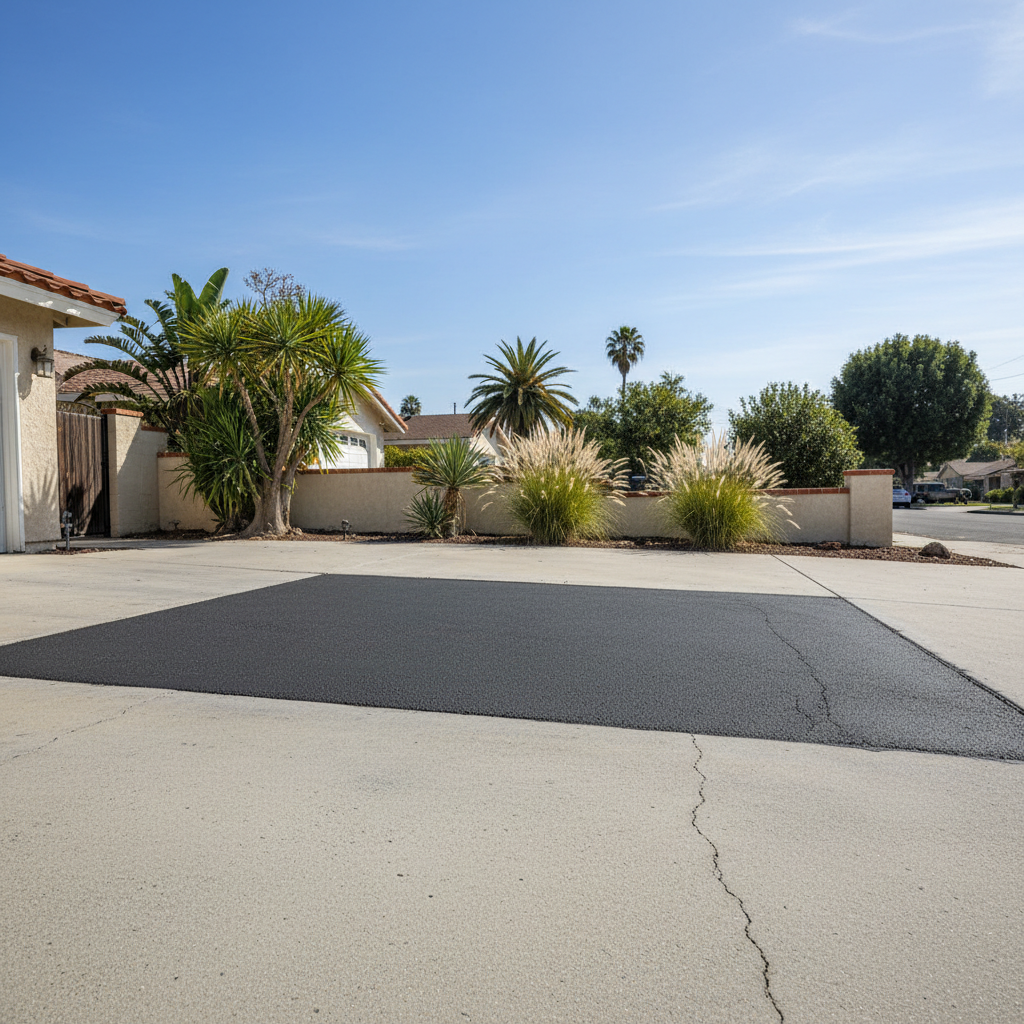
You just spent good money getting that asphalt patched, right? Whether it was a pothole in your driveway or a bigger section of your commercial parking lot, you want that repair to last a good long while. I see a lot of folks here in Van Nuys who think once the patch is down, the job's done. Nope, not quite. That patch is only as good as the care you give it, especially with our crazy California sun and occasional heavy rains.
Making Your Asphalt Patch Last Longer
The biggest thing you can do to make a patch last is keep it clean and sealed. Think of it like sunscreen for your asphalt. Our Van Nuys weather, with those long, hot summers, really bakes the oils right out of asphalt. That's what makes it brittle and crack, you know? A good sealcoat, put on correctly and at the right time, protects that patch from UV rays, water getting in, and even oil spills.
When we put down a patch, we're essentially bonding new asphalt to old. That bond is strong, but it's not invincible. Keep heavy vehicles off fresh patches for at least a few days—sometimes longer, depending on the mix and the weather. If you've got a commercial property, make sure your tenants or customers know to avoid it if they can. It really makes a difference in how well it cures and settles.
Drainage is another huge one. If water is constantly sitting on or around your patch, it's going to find its way underneath. And once water gets under there, especially after a good downpour, it starts eroding the base. That's when you get potholes forming right next to your brand new patch. Make sure your gutters are clear and any landscaping isn't directing water onto your paved areas. Seriously, check those gutters.
Regular Upkeep: What You Need to Do
So, what does 'regular upkeep' actually look like? It's not rocket science, but it does take a little attention.
- Keep it Clean: Sweep off dirt, leaves, and debris regularly. Organic matter holds moisture against the asphalt, which isn't good. Plus, sharp gravel or rocks can grind away at the surface with vehicle traffic.
- Watch for Weeds: Weeds and grass love to grow in cracks. If you see them popping up in or around your patch, pull them out. Their roots can expand cracks and undermine the asphalt. A little weed killer can help too, but be careful with harsh chemicals that might damage the asphalt itself.
- Sealcoat Strategically: Don't just sealcoat the patch. You should be sealcoating your entire asphalt surface every 2-3 years, or as needed. This ensures uniform protection and helps the patch blend in better with the surrounding pavement. If you just sealcoat the patch, you'll end up with a checkerboard look and uneven wear.
- Address Small Cracks Immediately: If you see new, small cracks forming near your patch, don't wait. Crack filling is cheap and easy to do when they're small. Left alone, those little cracks become big cracks, then potholes.
Warning Signs of Trouble
You need to be your own first line of defense. Walk your asphalt surfaces once a month, especially after heavy rain or a heatwave. Here's what to look for:
- New Cracks: Any new cracks, especially alligator cracking (it looks like alligator skin) around the patch, means the base might be failing or the patch itself is deteriorating.
- Depressions or Sinking: If the patch or the area around it starts to sink or create a depression, water will collect there. That's a sure sign of base failure.
- Raveling: This is when the aggregate (the small stones) starts to come loose from the asphalt binder. It makes the surface rough and crumbly. It means the asphalt is drying out and losing its integrity.
- Water Pooling: As I said before, standing water is a killer. If you see puddles that don't drain within a few hours after rain, you've got a drainage problem that needs fixing.
- Fading Color: If your patch is looking gray instead of black, it's a sign the binder is oxidizing from sun exposure. That means it's losing its flexibility and is more prone to cracking.
When to Call a Professional
Look, I'm not going to tell you to call All Things Asphalt Company for every little thing. Some small crack filling you can handle yourself if you're handy. But there are times when you absolutely need a pro.
If you see significant alligator cracking, large depressions, or if water is consistently pooling and not draining, that's beyond a DIY fix. These issues usually point to problems with the sub-base, which is the foundation beneath the asphalt. Trying to just patch over these serious problems is like putting a band-aid on a broken leg; it won't hold, and you'll waste money.
Also, if you're unsure about the type of patch you have (cold patch vs. hot mix) or the best way to seal it, give us a call. We're happy to take a look and give you an honest assessment. We deal with the unique soil conditions here in Van Nuys, which can be expansive clay in some areas, and that affects how asphalt behaves. Getting it right the first time, and maintaining it properly, saves you a lot of headaches and cash down the road.