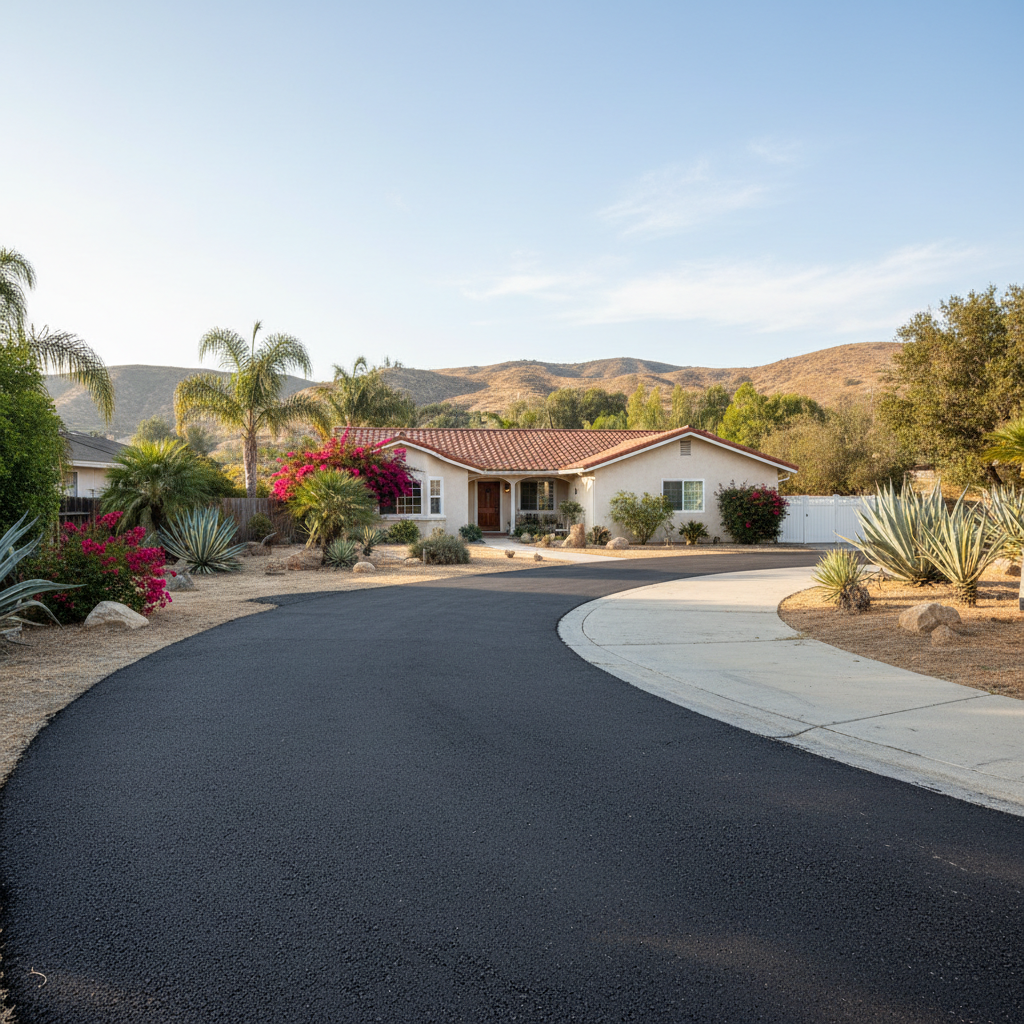
Pavement on a driveway on a scorching July afternoon in Van Nuys can sometimes feel sticky to the surface. That is regular life in the San Fernando Valley. Summers are very hot, and that intense sun damages asphalt if you do not know how to time your maintenance. Between the baking pavement temperatures and dry spells, taking care of your driveway requires working with the weather, not against it.
Some property owners think you can patch or seal a driveway whenever you have a free Saturday. Out here, that approach wastes money. Liquid asphalt and sealcoats need specific temperature ranges to cure correctly. If it is over 100 degrees and the sun is beating straight down on your neighborhood street, sealcoat dries too fast and flakes right off. On the flip side, winters do not bring much freezing weather, but winter nights can drop fast enough to interfere with materials that need steady warmth to set.
When to Schedule Your Paving Work
Spring and fall provide the best windows for major asphalt work around here. The temperature drops out of the triple digits, giving the material enough time to cure without baking or cracking. If you wait until peak summer, All Things Asphalt Company must start jobs at sunrise just to get the compaction right before the heat spikes.
Here is what you should look out for on your property:
- Early morning hours for hot-mix patching during summer months.
- Mild spring weeks for applying a fresh sealcoat that actually sticks.
- Checking for standing water after our rare winter downpours to catch drainage issues early.
All Things Asphalt Company spends a lot of time telling property owners to look at their Asphalt Driveway before small cracks turn into spiderwebs. If you ignore a tiny crack through the summer heat expansion, the winter temperature swings will pry it wide open.
Protecting Your Investment All Year
Property owners do not need a massive checklist to keep asphalt solid. Keep it clean. Van Nuys dust and oil leaks from older cars break down the binder holding your aggregate together faster than anything else. A quick sweep and a hose-down every few weeks goes a long way. If you spot a spill, cat litter or a proper degreaser will save you from a soft spot later.
Sealcoating every few years blocks out brutal UV radiation. Think of it like sunscreen for your pavement. Miss that step, and you will be looking at a full replacement much sooner than you would like. Keep an eye on the edges where your driveway meets the garage or street, too. That is usually where the shifting starts.