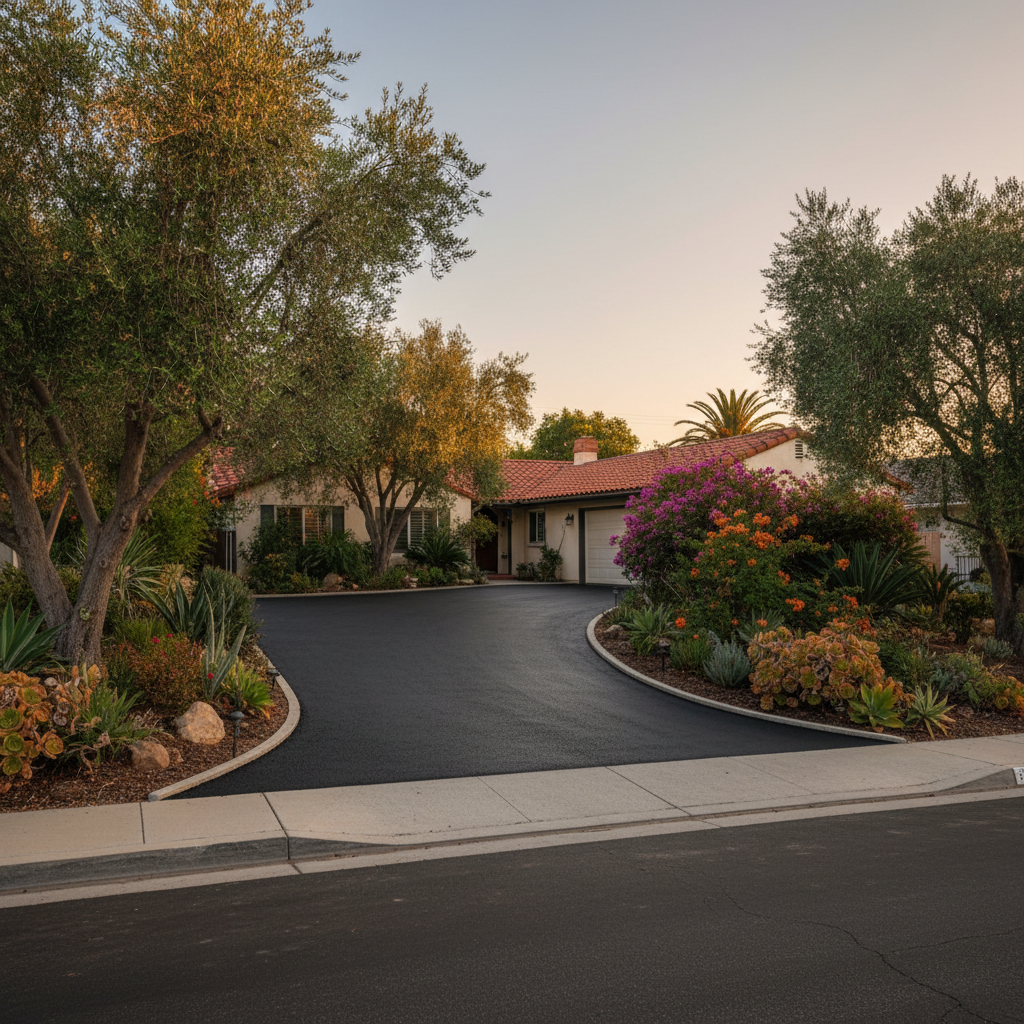
So, when's the best time to get that new asphalt driveway put in, or tackle those bigger repairs? It's a question I hear a lot, and honestly, the answer really comes down to our Van Nuys weather. You might think Southern California is always perfect for paving, but trust me, there are definitely better times than others if you want your investment to last.
Why Timing Matters for Your Asphalt
Asphalt isn't just poured concrete; it's a mix of aggregate and bitumen, which is petroleum-based. It needs specific conditions to cure properly, to bond together, and to give you that smooth, durable surface. If it's too hot, too cold, or too wet, you won't get the best result. And that, my friend, means a shorter lifespan for your driveway.
Think about it like baking: you wouldn't bake a cake in an oven that's constantly fluctuating in temperature, right? Same goes for asphalt. We're looking for that sweet spot where the material can be worked, compacted, and then set without extreme stress from the elements.
The Best Time to Pave in Van Nuys
Here in Van Nuys, our ideal paving season usually runs from late spring through early fall. That's typically May through October. Why then?
- Consistent Warmth: We need ground temperatures that are consistently above 50°F. Ideally, air temperatures should be between 70-90°F. This keeps the asphalt pliable during installation and helps it compact correctly. Hot asphalt cools quickly, and if it cools too fast before proper compaction, it won't be as dense or durable.
- Low Humidity: While we don't get super humid here often, lower humidity helps the asphalt cure without trapping moisture.
- Dry Conditions: This is a big one. You absolutely cannot pave on wet ground. Any moisture trapped underneath can cause serious problems down the road, like cracking, potholes, and premature deterioration. Our dry summers are perfect for this, thankfully.
I've seen folks try to push jobs in November or December because they want it done before the holidays. Sometimes it works out, but often, you're rolling the dice with colder temperatures and the increased chance of rain. It's just not worth the risk for a major investment like a driveway, is it?
What Weather Conditions Are a No-Go?
You can bet your bottom dollar we're not paving if:
- It's Raining: Even a light drizzle can ruin a fresh pour. Water prevents the asphalt layers from bonding properly and can lead to immediate failure.
- It's Too Cold: Below 50°F, asphalt becomes stiff and hard to work with. It won't compact well, leaving you with a brittle, weak surface that'll crack fast.
- It's Excessively Hot: While warmth is good, extreme heat — think those Van Nuys heatwaves pushing 100°F+ — can make the asphalt too soft. This leads to issues with compaction and early rutting. We'll often start earlier in the day if it's going to be a scorcher.
We're always checking the forecast, sometimes hourly, because a sudden change can mean rescheduling. It's better to delay a day or two than to do a shoddy job that won't last.
Protecting Your Driveway Year-Round
Once your driveway is in, you'll want to protect that investment. Here's what I tell all my clients:
- Keep it Clean: Sweep off leaves, dirt, and debris regularly. This stops organic matter from breaking down and staining the asphalt, and it keeps dirt from holding moisture against the surface.
- Deal with Spills Immediately: Oil, gas, and other automotive fluids are asphalt's worst enemy. They break down the binder. Keep a bag of cat litter or absorbent material handy for quick cleanups.
- Watch for Cracks: Even small cracks can let water seep in, especially during our winter rains. Water expands when it freezes (though rare here, it can happen at night in colder snaps), and it'll widen those cracks. Get them filled promptly.
- Sealcoat Every Few Years: This is like sunscreen for your driveway. It protects against UV rays, water penetration, and gives it a fresh look. I generally recommend every 2-3 years, depending on traffic and sun exposure. All Things Asphalt Company can help you figure out the right schedule for your specific driveway.
- Mind the Edges: The edges of your driveway are often the weakest points. Avoid driving heavy vehicles right on the edge, and make sure any landscaping or irrigation isn't constantly saturating them.
Taking care of your asphalt isn't a one-time thing; it's ongoing. But with a little effort and good timing for installation, your Van Nuys driveway will look great and last for years.