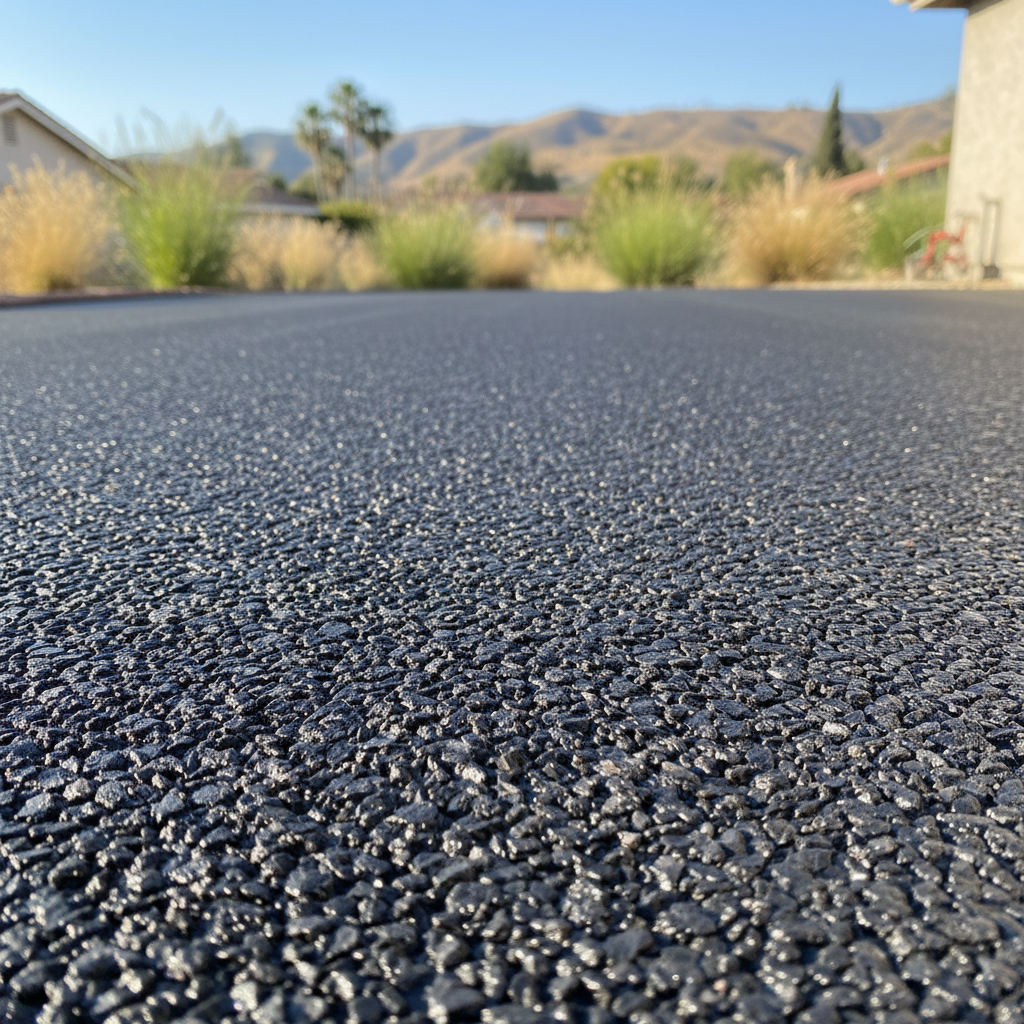
Is Commercial Asphalt Right for Your Van Nuys Driveway?
Okay, let's get straight to it. You hear 'commercial asphalt' and you probably think of huge parking lots or industrial areas. But here in Van Nuys, with our hot summers and the occasional heavy rain, a commercial-grade approach to your home's asphalt driveway might be exactly what you need. I've seen too many residential driveways crack and crumble way too fast because folks went with the cheapest bid or didn't understand the difference. Commercial asphalt isn't about the size of the job; it's about the quality of the materials and the installation process. It's built to handle more stress, heavier loads, and just last longer. For a homeowner, that means a driveway that stands up to your RV, your buddy's lifted truck, or just years of daily family traffic without falling apart.
Before the Shovel Hits the Ground: Planning Your Driveway
Before any work starts, you've got to do your homework. This is where you, the homeowner, can really make a difference without getting your hands dirty. First, figure out what you're dealing with. Is it a brand new driveway, or are you tearing out an old concrete or asphalt one? That changes the whole game. If you're replacing, think about drainage. We get those flash downpours sometimes, especially around the Sepulveda Basin, and water pooling on your driveway is a recipe for disaster. You want water to flow away from your house, not towards it. Look at your property and see where the water naturally goes. Mark out where you think you want the driveway to go. Measure it. Get a rough idea of the square footage. This helps you get accurate quotes.
Next, get some bids. Don't just call the first guy you see online. Call a few. Ask them about their process for residential driveways that use commercial-grade techniques. Ask about the thickness of the asphalt, the base material, and compaction. A good contractor, like us at All Things Asphalt Company, will explain all this clearly. Don't be afraid to ask for references or to see examples of their work. You're investing a good chunk of change here; you deserve to know it's going to be done right.
During the Project: What to Watch For
Once you've picked your contractor and the work begins, what should you be looking for? You're not the foreman, but you're paying the bill, so it's smart to be aware. The most critical part of any asphalt job, commercial or residential, is the base. If the base isn't solid, your asphalt won't last. They should be excavating any old material, leveling the ground, and then laying down a good, thick layer of aggregate — usually crushed rock or gravel. This needs to be compacted thoroughly. I'm talking about a heavy roller going over it multiple times. If they're just dumping some gravel and barely rolling it, that's a red flag. The soil here in Van Nuys can be pretty expansive, so a well-prepared, stable base is absolutely non-negotiable.
Then comes the asphalt itself. For a commercial-grade driveway, you want to see a good, consistent thickness. We usually recommend at least 2.5 to 3 inches of compacted asphalt for residential driveways that need to stand up to heavy use. They should apply it hot, and it needs to be rolled immediately and thoroughly. You shouldn't see any thin spots or areas where it looks like they skimped on material. The crew should be working efficiently and safely. If you have questions, ask the foreman. A good crew will be happy to explain what they're doing.
After the Paving: Keeping Your Driveway in Top Shape
The job's done, and your new driveway looks fantastic. Now what? This is where your part comes in for the long haul. You can't drive on it right away. Your contractor will tell you exactly how long to wait, but typically it's at least 2-3 days, sometimes longer if it's really hot out. The asphalt needs to cure and harden properly. Don't park heavy vehicles on it for the first week or two if you can avoid it. Avoid sharp turns with your steering wheel while stationary, especially when it's hot; that can twist and scuff the new surface.
Maintenance is key to making your commercial-grade driveway last. Here's what you can realistically do yourself:
- Keep it clean: Sweep off dirt, leaves, and debris regularly. This prevents organic matter from breaking down and staining the surface, and also keeps water from sitting in puddles.
- Address spills immediately: Oil, gas, and other chemicals can break down asphalt. Clean them up as soon as they happen. Kitty litter works great for absorbing fresh oil spills.
- Watch for cracks: Even the best asphalt can develop small cracks over time, especially with our temperature swings. If you see hairline cracks, you can usually seal them yourself with a good quality crack filler from the hardware store. Don't let them get big.
- Sealcoating: This is a big one. You should plan on sealcoating your driveway every 2-3 years. This protects the asphalt from UV rays, water, and chemicals, and keeps it looking fresh. You can buy sealcoat and apply it yourself if you're handy and have the time, but for a really professional, long-lasting job, I always recommend calling a pro. It's messy work, and getting an even coat takes practice.
When do you call a pro after the initial installation? If you see significant cracking, potholes, or large areas of deterioration, that's beyond a DIY fix. If your drainage isn't working right, or if you notice your driveway sinking in spots, those are also jobs for an experienced asphalt contractor. Don't wait until it's a huge problem. Catching issues early saves you money in the long run. A well-installed and maintained commercial-grade asphalt driveway can last you 20 years or more. It's a solid investment in your home.